
Non-Surgical Disc Treatment in Opelika When Surgery Isn’t Your Only Option
Many people around East Alabama have been scheduled for disc surgery or told it’s inevitable. What many don’t realize is that most herniated and bulging discs can heal without surgery when treated properly.
Since 1981, we’ve helped thousands of patients avoid disc surgery through proven conservative care. We have four Cox decompression tables at our Gateway Drive office—specialized equipment designed specifically for treating disc problems. Whether your disc injury happened after lifting something heavy at work, developed gradually from years of wear and tear, or came on suddenly after an accident on Highway 280, proper decompression therapy combined with chiropractic care can often provide the relief you need without going under the knife. Non-surgical disc treatment is one of the most commonly requested services within our chiropractic practice — typically the alternative patients seek before agreeing to surgery.
Understanding Disc Problems and How They Heal
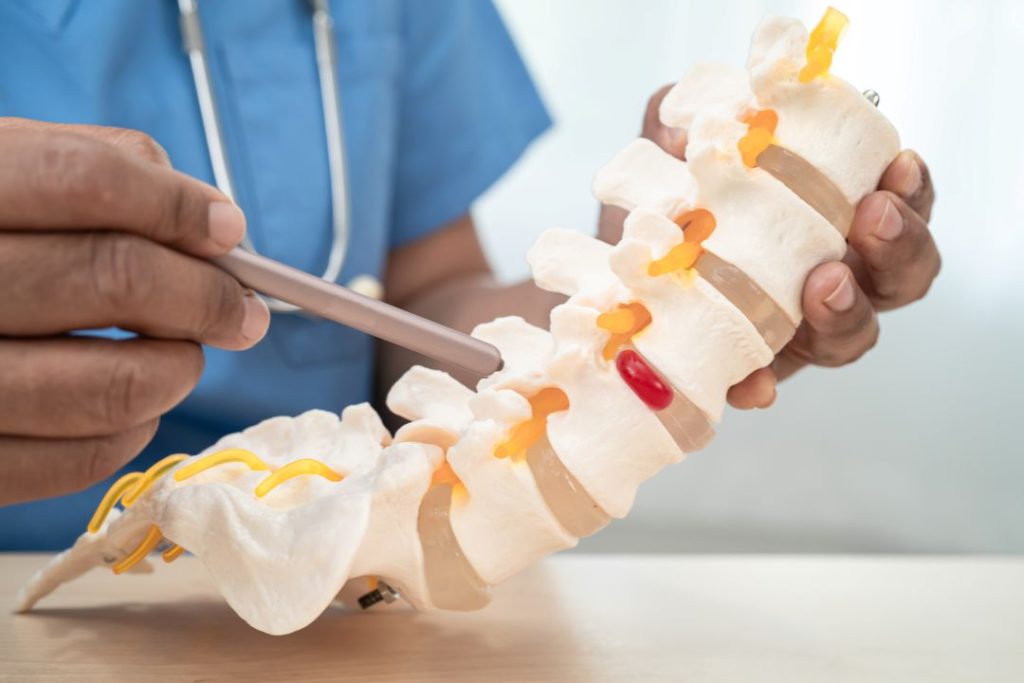
Your spinal discs are shock absorbers between your vertebrae—tough outer rings surrounding a gel-like center. When a disc herniates, that inner gel pushes through a crack in the outer ring. When a disc bulges, the outer ring protrudes but hasn’t ruptured. Both conditions can put pressure on nearby nerves, causing pain, numbness, or weakness in your arms or legs depending on where the problem occurs.
Here’s what most people don’t understand about disc injuries: given the right conditions, your body can heal them naturally. Discs have limited blood supply, which is why they heal slowly. But when you create the right mechanical environment—taking pressure off the damaged disc, improving nutrient flow, and allowing the bulging or herniated material to retract—healing happens.
That’s exactly what decompression therapy does. By gently stretching your spine in a controlled, rhythmic pattern, we create negative pressure inside the affected disc. This negative pressure works like a vacuum, helping pull herniated material back toward the center of the disc and taking pressure off compressed nerves. At the same time, the decompression motion pumps nutrients into the disc, supporting the healing process.
Around Opelika and Auburn, disc problems develop from all kinds of situations. Physical jobs at the automotive plants, lifting injuries at construction sites, car accidents on I-85, sports injuries, even simple things like bending over wrong. Degenerative disc disease from years of normal wear and tear is extremely common, especially among people over forty. Many of our patients also experience back and neck pain as the primary symptom that brings them in before a disc condition is even diagnosed.
How Cox Decompression Therapy Works
Cox decompression uses a specialized table that moves in specific patterns to decompress your spine. You lie face down on the table, and it gently flexes and extends in a smooth, rhythmic motion. The movement is controlled and comfortable—most patients find it relaxing.
The technique targets the exact spinal level where your disc problem exists. For lower back disc herniations—the most common type—the table flexes your lumbar spine in a way that opens up the spaces between vertebrae, reduces pressure on the disc, and takes tension off the sciatic nerve if it’s involved. For cervical disc problems in your neck, we use similar gentle traction to decompress the affected area.
We have four Cox tables in our Gateway Drive office because this treatment is so central to what we do. Having multiple tables means we can treat more patients and keep appointment times convenient, but it also reflects our forty-plus years of experience with this technique.
Treatment protocols typically run several weeks. Most patients come in three times a week initially, then twice weekly as they improve. Each session lasts about fifteen to twenty minutes on the decompression table. Many people notice some relief after the first few treatments, though complete healing takes longer. The damaged disc tissue needs time to retract and repair, just like any other injury in your body.
Results vary depending on the severity of your disc problem, how long you’ve had it, and your overall health. Recent herniations often respond faster than chronic disc problems that have been present for years. But even longstanding disc issues can improve significantly with proper treatment.
Comprehensive Treatment Beyond Decompression
Decompression therapy works best as part of a comprehensive approach. We combine it with chiropractic adjustments that restore proper spinal alignment. When vertebrae are misaligned, they create abnormal pressure on discs and prevent normal healing. Gentle adjustments correct these misalignments, supporting the work the decompression is doing. Disc conditions are also a subset of the broader non-surgical spinal disorder treatment we provide — patients with stenosis, scoliosis, or degenerative changes often benefit from the same integrated approach.
Muscle spasms almost always develop around herniated discs as your body tries to protect the injured area. These spasms limit your movement and create additional pain. We use electrical muscle stimulation and therapeutic massage to relax these tight muscles, which makes decompression more effective and speeds your recovery.
Strengthening exercises become important as you heal. Weak core muscles put extra stress on spinal discs. We provide specific exercises that build the muscles supporting your spine, helping prevent future disc problems. These exercises progress from gentle movements when you’re in acute pain to more challenging strengthening as your disc heals.
We also address lifestyle factors that contributed to your disc problem. Proper lifting technique prevents re-injury if you work a physical job. Ergonomic improvements at your desk reduce stress on cervical discs if you sit for work. Weight management takes pressure off lumbar discs. Sleep position and pillow choice affect how your spine rests and recovers each night.
Our medical team can prescribe anti-inflammatory medications or muscle relaxants when needed to manage pain during your recovery. For severe inflammation, epidural steroid injections provide targeted relief while decompression therapy addresses the mechanical problem. Having Dr. Ronald J. Herring and nurse practitioner Jeff Sanders in our facility means we can provide this integrated approach without sending you elsewhere.
When to Consider Non-Surgical Treatment
Non-surgical disc treatment works best when started early, but it can help even if you’ve had symptoms for months or years. If you’ve been diagnosed with a herniated disc, bulging disc, or degenerative disc disease, conservative care should be your first option unless you have severe neurological symptoms. When disc herniation is the underlying cause, sciatica treatment is often part of the same plan — decompression relieves the nerve pressure that sends pain down the leg.
Warning signs that require immediate medical attention include progressive weakness, loss of bowel or bladder control, or rapidly worsening neurological function. These symptoms might indicate severe nerve compression that needs surgical intervention. But the vast majority of disc problems don’t fall into this category.
Even if you’ve already been scheduled for surgery, it’s worth trying conservative care first. Surgery always carries risks—infection, failed back surgery syndrome, continued pain, or complications from anesthesia. The recovery time is significant, often months before you’re back to normal activities. And surgery doesn’t guarantee success.
Conservative care through decompression and chiropractic treatment offers a safer first approach. If it works, you’ve avoided surgery entirely. If it doesn’t provide enough relief, surgery remains an option. But you haven’t lost anything by trying the conservative route first, and you might save yourself from an unnecessary operation.
Why Opelika and Auburn Trust Our Disc Treatment
Since 1981, treating disc problems without surgery has been one of our primary focuses. The four Cox decompression tables in our office represent our commitment to helping patients avoid unnecessary surgery through proven, gentle care.
Both Dr. Ron and Dr. Rod Herring earned Young Chiropractor of the Year awards from the Alabama State Chiropractic Association—Dr. Ron in 1989 and Dr. Rod in 1996. Dr. Rod later received Chiropractor of the Year in 2019. Our doctors hold auxiliary staff privileges at East Alabama Health, which means they can order MRIs and coordinate with surgeons when necessary.
We’ve treated everyone from Auburn University athletes with disc injuries to factory workers with herniated discs from lifting injuries, retirees managing degenerative disc disease, and people of all ages who were told surgery was their only option. Unlike many practices, we don’t require contracts. You pay by the visit, and we accept most insurance including BCBS, Aetna, Humana, United Healthcare, and Medicare.
Our hundreds of five-star reviews reflect patients who avoided surgery and got their lives back without going under the knife.
Ready to Avoid Disc Surgery?
Effective non-surgical treatment for disc problems is available right here in Opelika. We’re located at 2011 Gateway Drive, just minutes from Tiger Town, the Auburn Mall, and Saugahatchee Country Club.
Our office hours:
Monday through Friday: 8am–12pm and 1:30pm–5:30pm
Saturday: 8am–12pm
Call us at (334) 745-5321 to schedule your first appointment. Our staff will verify your insurance coverage and answer any questions before you come in.
Serving patients throughout East Alabama, including Opelika, Auburn, Phenix City, Valley, LaFayette, Dadeville, Beulah, Smiths Station, and surrounding communities. Same-day X-rays available. No contracts required.