
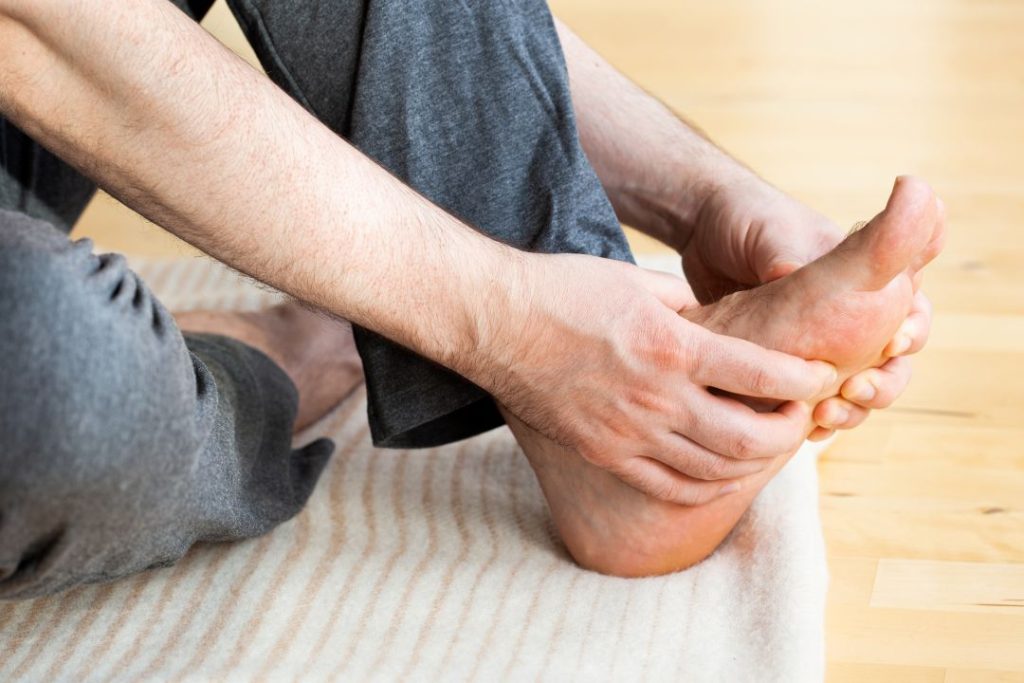
Plantar Fasciitis Treatment in Opelika When Every Step Hurts
That first step out of bed in the morning sends a sharp, stabbing pain through your heel. You hobble to the bathroom until your foot loosens up enough to walk somewhat normally. After sitting at your desk for an hour, standing up brings the pain back. By the end of the day, your heel aches constantly. Walking barefoot is impossible, and even with shoes, every step reminds you the pain is still there.
Since 1981, we’ve treated thousands of plantar fasciitis cases throughout East Alabama. What most people don’t realize is that plantar fasciitis comes from biomechanical problems in how your foot functions, not just inflammation. The plantar fascia—a thick band of tissue running along the bottom of your foot from your heel to your toes—becomes inflamed when abnormal foot mechanics create excessive stress. To get lasting relief, we need to reduce the inflammation and correct the mechanical problems causing it.
What Causes Plantar Fasciitis
Plantar fasciitis happens when the plantar fascia becomes inflamed or develops small tears where it attaches to your heel bone. This tissue acts like a shock absorber and supports your arch. When it’s overstressed, it becomes irritated and painful.
Flat feet or fallen arches are the most common biomechanical cause around Opelika and Auburn. When your arches collapse with each step, the plantar fascia stretches excessively, creating constant tension and inflammation. Over time, this repetitive stress causes the tissue to break down.
High arches can also cause plantar fasciitis. When arches are too high, your foot doesn’t absorb shock properly, putting extra stress on the plantar fascia with every step.
Overpronation—excessive inward rolling of your foot when you walk—stretches the plantar fascia abnormally. This common gait problem creates uneven stress on the tissue, leading to inflammation over time.
Tight calf muscles and Achilles tendons pull on the heel bone and increase tension on the plantar fascia. Many people with plantar fasciitis have chronically tight calves that never fully relax.
Weight gain puts extra stress on the plantar fascia. Carrying additional pounds increases the load your feet bear with every step, making inflammation more likely.
Sudden activity changes trigger plantar fasciitis in previously healthy feet. Starting a new exercise program, spending more time on your feet at work, or wearing unsupportive shoes during a vacation can all inflame the plantar fascia if your feet aren’t prepared for the increased demands. Athletes returning from injury are particularly susceptible — plantar fasciitis is one of the most common conditions addressed in our sports injury treatment program.
Occupations requiring prolonged standing are common culprits. Factory workers at the automotive plants, nurses, teachers, retail workers, and anyone spending eight hours on their feet develops plantar fasciitis frequently.
Poor footwear contributes significantly. Flat shoes with no arch support, worn-out athletic shoes, or going barefoot on hard surfaces all stress the plantar fascia unnecessarily.
Age-related tissue degeneration makes plantar fasciitis more common between ages forty and sixty. As the plantar fascia loses elasticity with age, it becomes more susceptible to injury.
How We Diagnose Plantar Fasciitis
When you come in with heel pain, we need to confirm it’s actually plantar fasciitis and not another condition like a stress fracture, nerve compression, or arthritis. That starts with questions about your symptoms. Where exactly does it hurt? Is the pain worst in the morning? What activities make it better or worse?
Physical examination includes palpating the plantar fascia along the bottom of your foot. The pain is typically most intense where the fascia attaches to the heel bone. We check for tightness in your calf muscles and Achilles tendon, test your ankle range of motion, and assess flexibility in your foot joints.
Gait analysis reveals how you walk and where abnormal mechanics might be stressing your plantar fascia. We watch you walk and stand, checking for overpronation, foot alignment, and how forces distribute through your feet with each step.
Arch assessment determines whether flat feet, high arches, or normal arch structure is contributing to your condition. Understanding your foot type helps us recommend appropriate orthotics and exercises.
Our on-site X-rays at our Gateway Drive office can reveal heel spurs—bony growths on the heel bone that sometimes accompany plantar fasciitis. However, heel spurs don’t cause the pain. The inflamed plantar fascia causes the pain, and the spur is simply a sign that the fascia has been pulling on the heel bone for a long time. We read these X-rays the same day.
We also examine your lower back, pelvis, and legs because problems in these areas can affect how you walk and contribute to plantar fasciitis. Leg length discrepancies, pelvic misalignment, or sciatica all change gait mechanics and can increase stress on your plantar fascia.
Non-Surgical Plantar Fasciitis Treatment
Chiropractic care for plantar fasciitis addresses both the inflamed tissue and the biomechanical problems causing the inflammation. This approach gives better, longer-lasting results than treatments focusing only on symptom relief. Plantar fasciitis is one of several lower-extremity conditions treated as part of our broader shoulder, knee, hip, ankle and wrist injury care — the same joint-focused, whole-kinetic-chain approach applies throughout.
Foot adjustments restore proper motion to the bones in your foot. Your foot contains twenty-six bones that must move correctly for optimal mechanics. When joints between these bones become restricted—especially in the midfoot and arch area—it changes how forces distribute through your plantar fascia. Gentle adjustments to foot bones improve mechanics and reduce stress on the inflamed tissue.
Ankle adjustments help because ankle mobility directly affects foot function. Restricted ankle motion, particularly in dorsiflexion (pulling your toes toward your shin), forces compensations that stress the plantar fascia.
Pelvic and lower back adjustments address contributing factors from above. Pelvic misalignment creates leg length differences that change how you walk. Lower back problems can affect nerve function to your legs and feet. Correcting these issues supports foot healing.
Soft tissue therapy directly treats the tight, inflamed plantar fascia. Instrument-assisted soft tissue mobilization breaks up adhesions in the fascia. Deep tissue massage releases chronic tension. Myofascial release techniques restore normal tissue flexibility.
Calf and Achilles stretching is essential for plantar fasciitis treatment. We teach specific stretches for your gastrocnemius and soleus muscles that you perform multiple times daily. Loosening these muscles reduces pull on your heel bone and takes tension off the plantar fascia.
Strengthening exercises for your foot intrinsic muscles improve arch support. Weak foot muscles force the plantar fascia to work harder supporting your arch. We provide exercises like towel curls, marble pickups, and toe spreading that build the muscular support your feet need.
We also use therapies that reduce inflammation and promote tissue healing. Ultrasound therapy penetrates deep into the plantar fascia, promoting cellular repair. Cold laser therapy decreases inflammation without medications. Electrical muscle stimulation reduces muscle tension in the foot and calf. Ice therapy manages acute inflammation, especially first thing in the morning.
Custom orthotics provide the arch support and shock absorption needed to reduce stress on the plantar fascia during healing. Unlike over-the-counter inserts, custom orthotics are made from molds of your specific feet and address your particular biomechanical problems. We can recommend appropriate orthotics based on your foot type and gait analysis.
Night splints keep your foot in a stretched position while you sleep. Most people sleep with their toes pointed, which allows the plantar fascia to shorten overnight. This is why that first morning step is so painful—you’re forcibly stretching the shortened tissue. Night splints maintain a gentle stretch all night, reducing morning pain significantly.
Taping techniques provide temporary arch support and reduce stress on the plantar fascia during activities. We teach you how to tape your foot for times when you’ll be on your feet extensively.
Our medical team can provide additional options when needed. Dr. Ronald J. Herring and nurse practitioner Jeff Sanders can prescribe anti-inflammatory medications for severe inflammation. While cortisone injections are sometimes used for stubborn plantar fasciitis, we generally prefer conservative approaches because repeated injections can weaken the plantar fascia and potentially cause rupture.
Activity Modification During Healing
Plantar fasciitis heals slowly because the affected tissue bears weight constantly. Every step you take stresses the healing fascia. Complete healing typically takes several weeks to several months depending on severity and how long you’ve had symptoms.
We don’t tell you to stop all activity—that causes weakness and stiffness throughout your foot and leg. Instead, we help you modify activities to reduce stress on the healing fascia. Choosing supportive shoes, avoiding barefoot walking on hard surfaces, and limiting prolonged standing all help.
Gradual return to exercise prevents setbacks. If you’re a runner, we create a progressive return-to-running program that slowly increases distance and intensity as your heel heals. Rushing back to full activity too quickly often causes flare-ups.
Weight management, if appropriate, reduces the load your plantar fascia bears with every step. Even modest weight loss can significantly decrease heel pain for people carrying extra pounds.
Preventing Plantar Fasciitis from Returning
Getting rid of current plantar fasciitis is important, but preventing recurrence matters just as much. That means addressing the biomechanical and lifestyle factors that created the problem.
Maintaining calf and Achilles flexibility through regular stretching prevents the tightness that stresses the plantar fascia. We provide a home stretching program that continues after your pain resolves.
Strengthening your foot intrinsic muscles builds the arch support that takes stress off the plantar fascia. Continuing foot exercises maintains the muscular support that prevents recurrence.
Wearing supportive footwear consistently protects your plantar fascia. Shoes with good arch support and cushioning make a significant difference. We provide guidance on choosing appropriate footwear for work, exercise, and daily activities.
Continuing to use orthotics, if prescribed, maintains the biomechanical corrections that allow your plantar fascia to function without excessive stress.
Gradual progression when increasing activity levels prevents the sudden overload that triggers plantar fasciitis. Whether starting a new exercise program or increasing work demands, progressive adaptation protects your feet.
Why Opelika and Auburn Trust Our Plantar Fasciitis Treatment
Since 1981, we’ve treated plantar fasciitis in factory workers, nurses, teachers, athletes, retirees, and people from every walk of life throughout East Alabama. Both Dr. Ron and Dr. Rod Herring earned Young Chiropractor of the Year awards from the Alabama State Chiropractic Association—Dr. Ron in 1989 and Dr. Rod in 1996. Dr. Rod later received Chiropractor of the Year in 2019.
Our doctors hold auxiliary staff privileges at East Alabama Health, which allows us to order advanced imaging and coordinate with podiatrists or orthopedic specialists when plantar fasciitis cases need evaluation beyond our office capabilities.
We’ve treated everyone from Auburn University athletes to workers from the automotive plants who stand on concrete all day, teachers constantly on their feet, and retirees who developed heel pain during their daily walks. Unlike many practices, we don’t require contracts. You pay by the visit, and we accept most insurance including BCBS, Aetna, Humana, United Healthcare, and Medicare.
Our hundreds of five-star reviews reflect patients who got back to walking, running, and daily activities without heel pain.
Ready to Stop Your Plantar Fasciitis Pain?
You don’t have to live with chronic heel pain or accept injections and surgery as your only options. Effective conservative treatment for plantar fasciitis is available right here in Opelika. We’re located at 2011 Gateway Drive, just minutes from Tiger Town, the Auburn Mall, and Saugahatchee Country Club.
Our office hours:
Monday through Friday: 8am–12pm and 1:30pm–5:30pm
Saturday: 8am–12pm
Call us at (334) 745-5321 to schedule your first appointment. Our staff will verify your insurance coverage and answer any questions before you come in.
Serving patients throughout East Alabama, including Opelika, Auburn, Phenix City, Valley, LaFayette, Dadeville, Beulah, Smiths Station, and surrounding communities. Same-day X-rays available. No contracts required.